Festival
Fiestas de La Virgen del Cobre
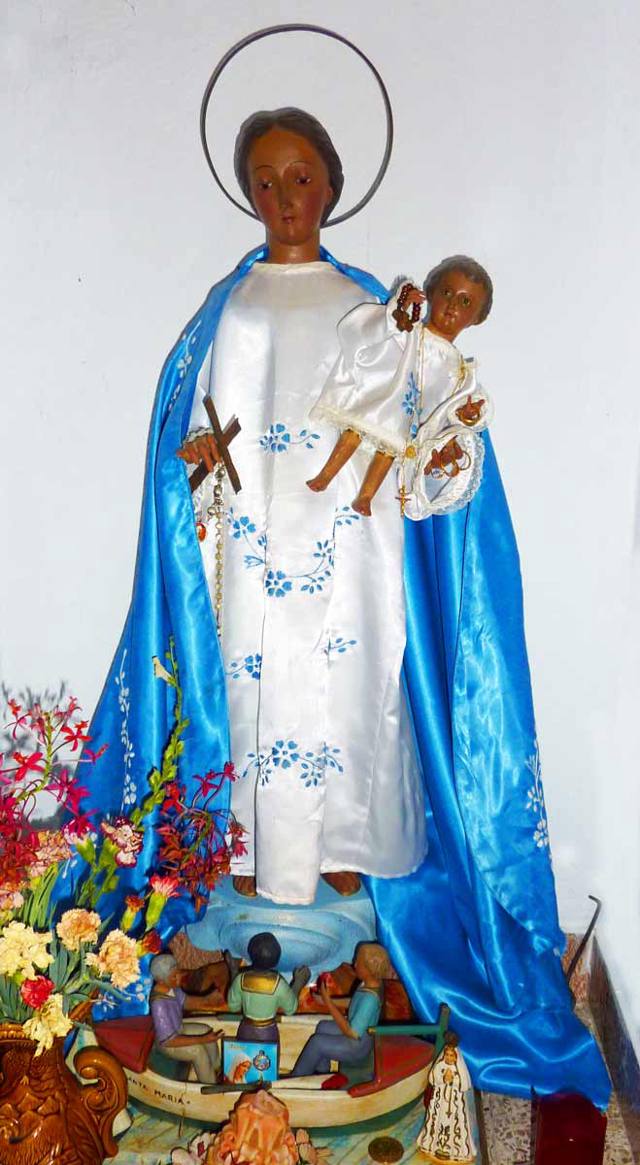
The Virgen del Cobre is kept in the National Shrine Basilica of Our Lady of Charity of El Cobre in Santiago de Cuba, and was declared patron saint of Cuba in 1916. In the 19th century, at a time of mass emigration from the Canary Islands to Cuba in search of a better future, a local man who travelled to that Caribbean island brought back the image to venerate and keep it in his home in the neighbourhood of Los Quemados.
The Virgen del Cobre is kept in the National Shrine Basilica of Our Lady of Charity of El Cobre in Santiago de Cuba, and was declared patron saint of Cuba in 1916. Legend has it that three fishermen went to fetch salt from the Bay of Nipe when a storm broke that put the small boat and its three crew at risk. After they prayed for protection, the storm vanished and they discovered an image floating on the water. It was the Virgen del Cobre.
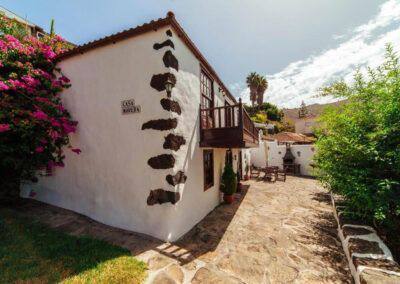
In the 19th century, at a time of mass emigration from the Canary Islands to Cuba in search of a better future, a local man who travelled to that Caribbean island brought back the image to venerate and keep it in his home in the neighbourhood of Los Quemados. It has remained in the same house ever since, cared for and preserved by Dña. Antonia Cabrera Hernández (Delfina) to this day.
Oral tradition tells that from the late 19th and early 20th century until the end of the 1950s, the neighbourhood celebrated festivities in honour of Our Lady of Charity of El Cobre. Many villagers who lived through those years remember this beloved festival with special affection and joy.
The festivities, normally held in July, lasted three days over a weekend. The start of the fiesta was announced by a "shower of rockets" that broke the calm and silence of a neighbourhood eagerly awaiting the start of its long-awaited celebrations. There were many events, both playful and religious: sack races, races of caballos fuscos, dances and verbenas in the square of Los Quemados (Plaza de la Amistad), street parades; there was also an allegorical float representing Spain and some of its territories, on which women from the neighbourhood, dressed in the typical costume of each region, made the corresponding offerings. Theatre had its place in the festivities too, with performances of comedies (Coba Fina, Amor Campestre, El Cariño de un Indiano…) whose cast was always drawn from the neighbourhood.
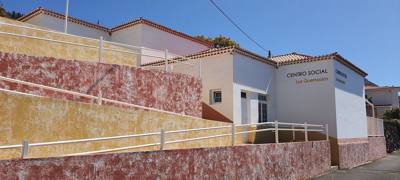
The image of Our Lady of Charity of El Cobre was carried from the home of Antonia Cabrera Hernández to the neighbourhood school, where it stood on an altar decorated with great care by the residents. There it remained beside the image of the Christ Child while the Novena of Thanksgiving to the Virgin was celebrated, along with various motets and litanies. From there, on a Sunday — the main day of the festival — both images were carried to the neighbourhood square, where the Loa (hymn of praise) was sung.
One of the main events, the one everyone most looked forward to and which is still remembered with special affection, took place during a break in the verbena on the festival's main day: the apparition of the Virgen del Cobre to the three fishermen in the middle of a storm was staged, and a dialogue between the Virgin and the three fishermen was performed. These characters were played by a girl and three boys from the neighbourhood. The Caballos Fuscos also made their appearance, parading with fireworks along the neighbourhood road to the square, where they danced to their music. The festival ended on the third day with the election, in the Plaza de la Amistad, of a new president and steward, in charge of organising the following year's festival, and a dance in honour of the newly elected president.