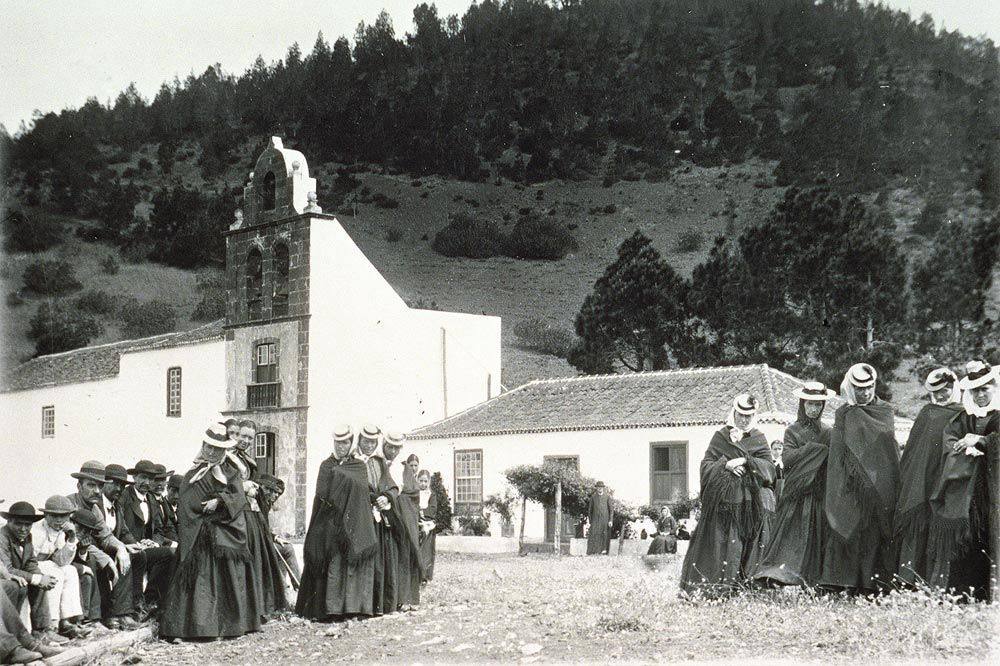
Discover our almost 200 years of history as a municipality
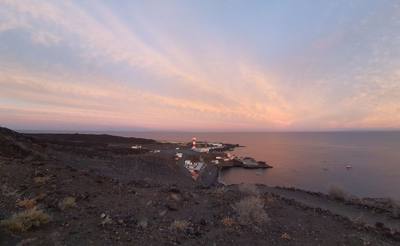
In the history of this municipality one word with a great deal of meaning is written in capital letters: volcanoes. No fewer than four eruptions have occurred on its soil in the last 343 years. If we add to the scarcity of water a not very favourable climate and the repeated volcanic eruptions, it is easy to guess the enormous hardships its residents have had to endure since the very times they first settled this place. With these eruptions the people of Fuencaliente lost their best farmland, entire harvests and even some human lives. Some chronicles tell that, faced with the tremendous desolation caused by some of these episodes, many residents chose to move to other villages.
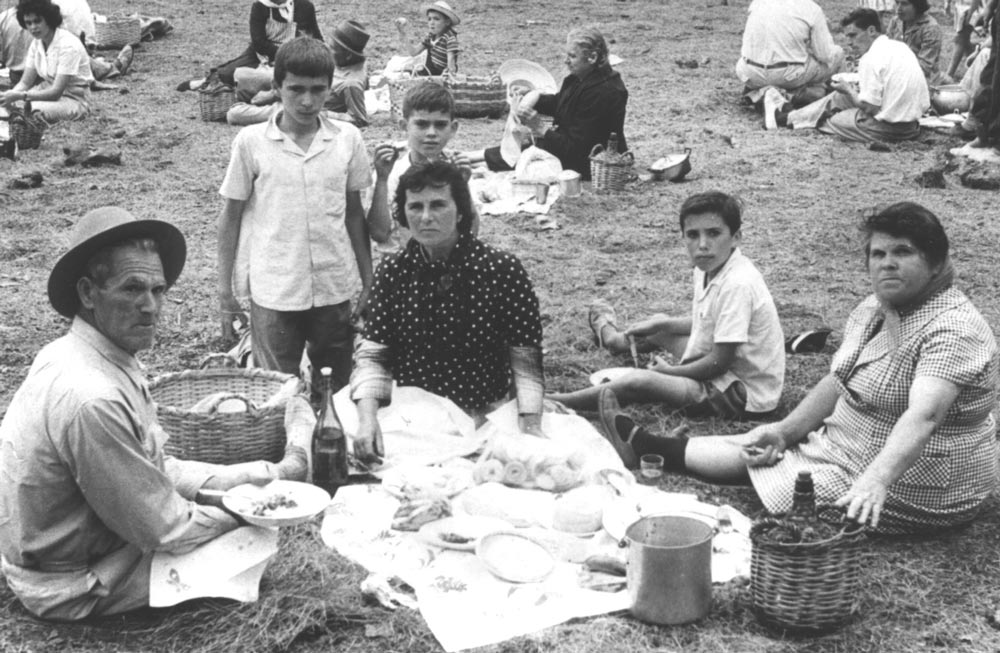
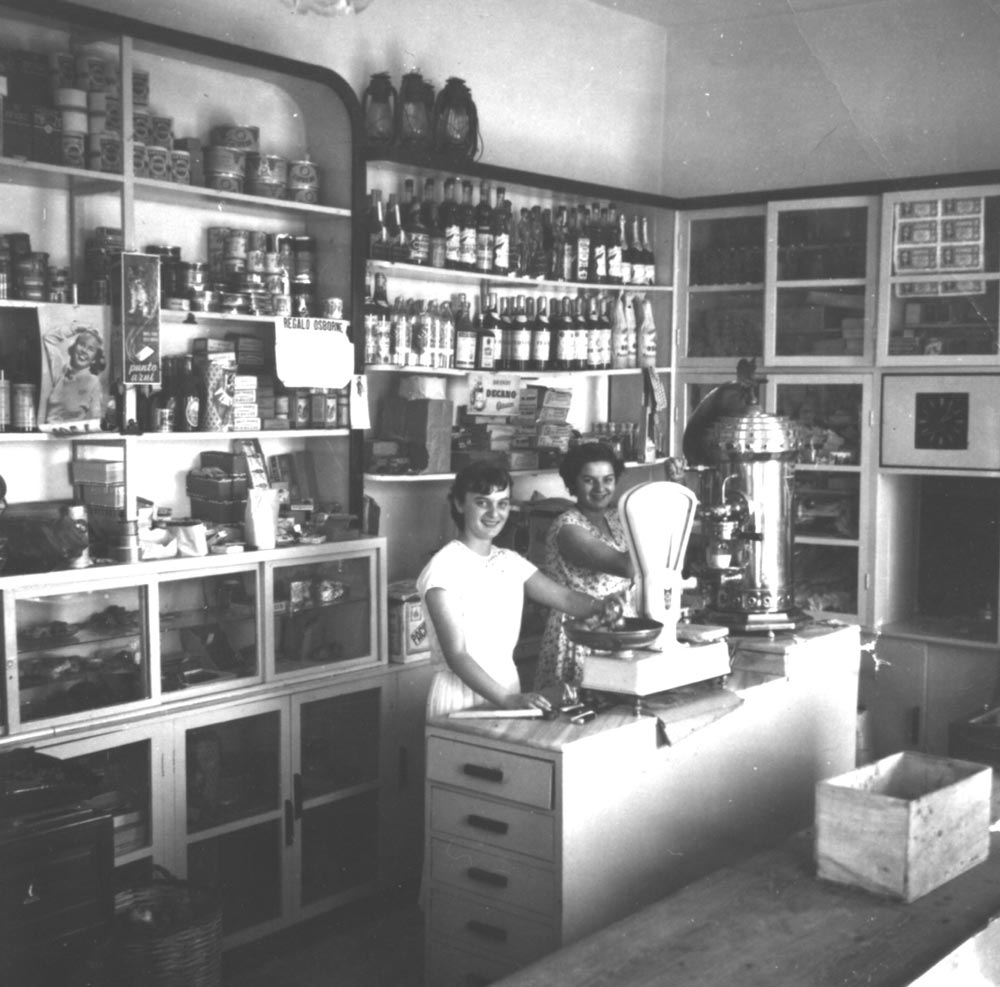
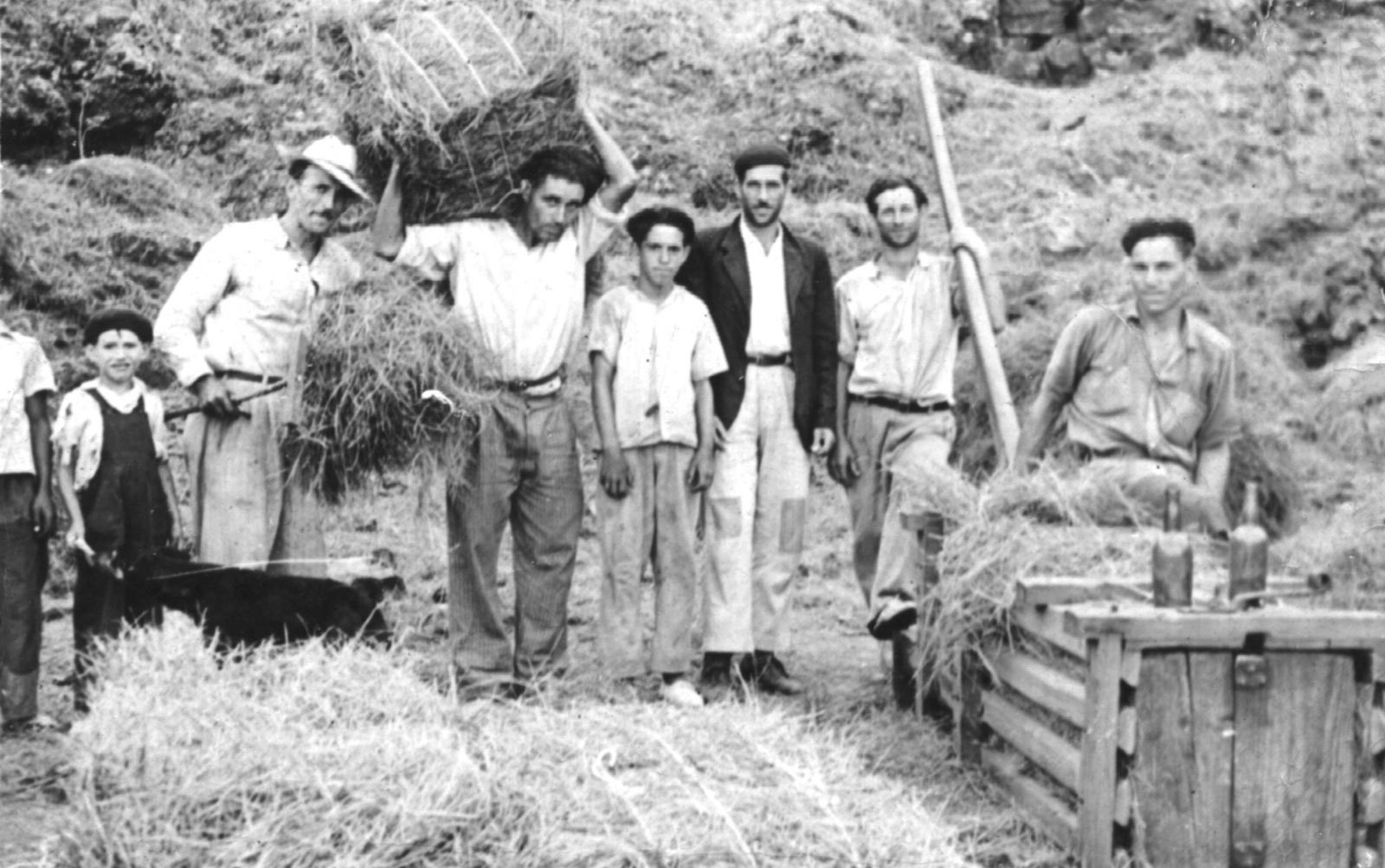
With the arrival of water, everything changed. These lands that once seemed poor only needed water to produce in abundance. The coast of the municipality, formed by different eruptions, is today covered by 250 hectares of banana plantations. Under the thick layers of volcanic gravel, which acts as a sponge to retain moisture, lies the fertile soil that gives the famous Malvasía wines and other crops that for many years sustained the local economy. The primary sector was once the key to the survival of the people of Fuencaliente, and today, together with tourism, it is the one that brings the most work and wealth to the municipality.
67% of the total area of the municipality is included in the catalogue of Protected Areas of La Palma, which gives an idea of the natural resources it possesses and which attract a multitude of visitors. This has led to notable growth in tourist beds in the municipality, which today has the largest hotel on the island of La Palma, located on the coast and surrounded by banana plantations.
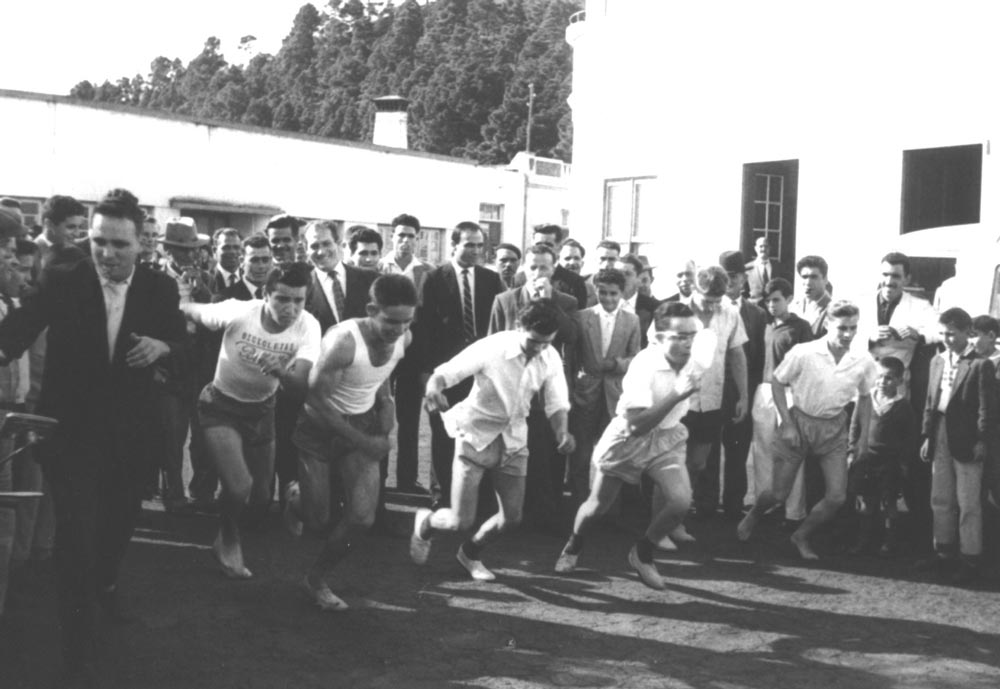
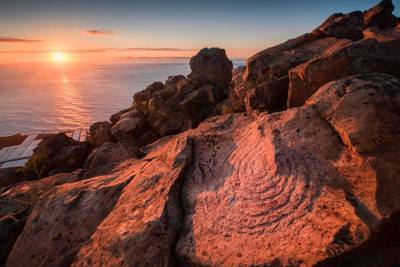
We cannot understand the history of Fuencaliente without mentioning the Fuente Santa. This hot spring, already used by the pre-Hispanic population, drew to this village the sick from all over Europe and America in search of a cure for diseases including syphilis, leprosy, rheumatism, osteoarthritis and any skin disease or wound healing, which gave renown and no small profit to this long-suffering locality, this being the greatest source of wealth the island had. The famous spring was buried under a layer of lava from the eruption of the San Antonio Volcano (1677). For more than three centuries there were many attempts to recover it. It was searched for intensely; there were as many attempts as generations have inhabited the island until, finally, in 2005, a team of engineers from the Government of the Canary Islands led by Carlos Soler found it while digging a gallery to reach the point where today water is found at temperatures of up to 50ºC.
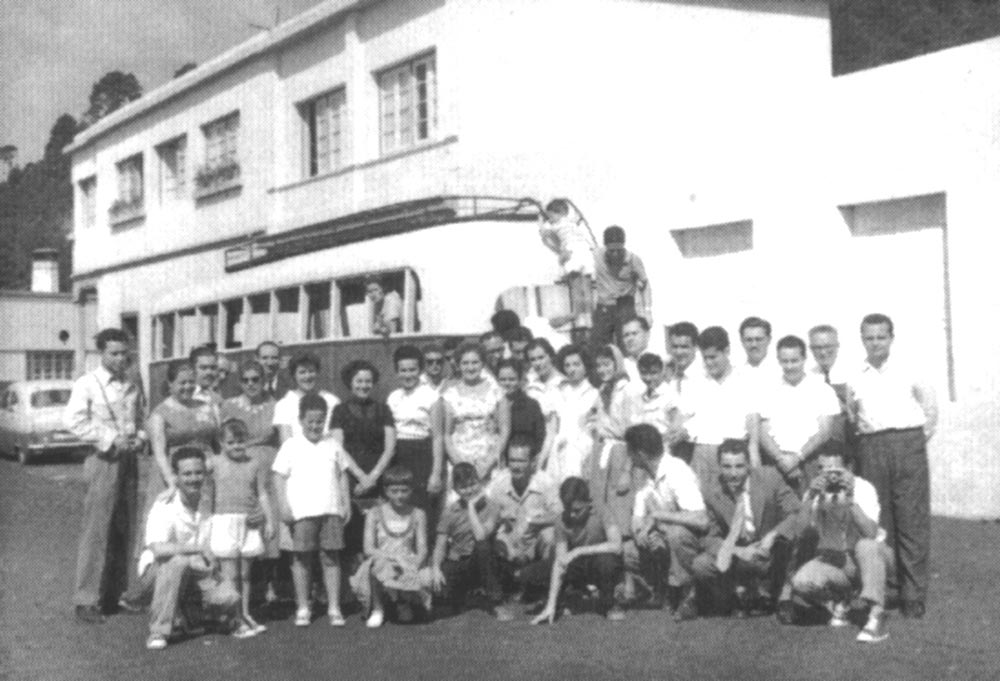
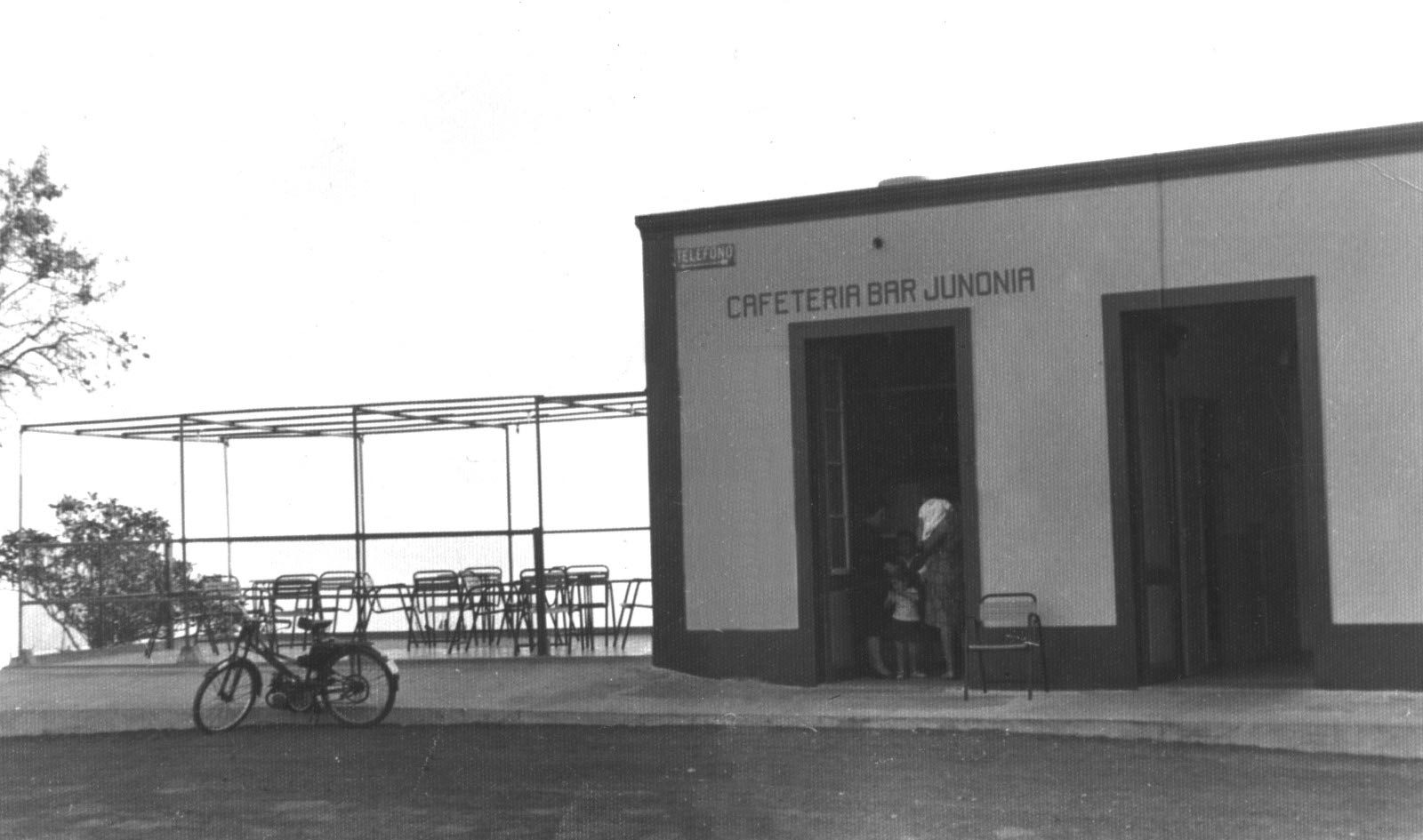
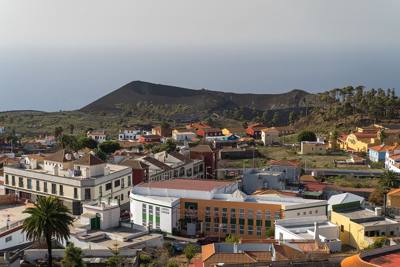
In the 19th century the independence process began, due to the unrest among residents over the distance to the administrative services. On 19 February 1837 the segregation from Mazo was achieved, consolidating its municipality.
“In the hamlet of Fuencaliente, Place of Mazo, Island of La Palma, today Sunday the nineteenth of February of eighteen hundred and thirty-seven, gathered in the Council Chamber under the presidency of Mr José Yanez Pérez, first constitutional Mayor of this place, before me, the present Secretary, the Gentlemen Electors appointed by popular vote as recorded in the note of the Parish Board held on Sunday the twelfth of this month, as provided by the Most Excellent Provincial Council in its letter of the seventh of December of eighteen hundred and thirty-six; after these gentlemen had conferred among themselves on the persons who could hold the municipal offices, which in this hamlet are a Mayor, four Councillors and a Syndic Attorney, in accordance with Article 4 of the Decree of the Cortes of the twenty-third of May of eighteen hundred and twelve, they were elected by having gathered the absolute plurality of votes: Mr Antonio Hernández Rodríguez for mayor by six votes, Mr Mariano Pérez Rios for second Councillor with four votes, Mr Blas Hernández García for third Councillor with five votes, Mr Antonio Felipe Torres for fourth Councillor with five votes, and for Syndic Attorney Mr Marcos Doming. with seven votes; whereupon the session was dissolved and concluded, which the President signs with his customary sign of the cross, to which the present secretary attests”.
Founding act of Fuencaliente de La Palma. Literal transcription (translated from the Spanish original).
To print (offline) and listen
This page is also available as a printable document and as audio.