Artesanía
Con los nuevos tiempos desarrollistas y la aparición reciente de otros materiales como el plástico, que lo invade todo, una parte importante de la artesanía tradicional tiene un destino muy incierto debido a la importación de todo tipo de objetos a bajo precio que vienen a sustituir a los realizados durante siglos por los artesanos de la isla.
Oficios tan entrañables como los latoneros, toneleros, herrero, carpinteros de rivera, etc., prácticamente han desaparecido. Los artesanos de cestería, que construían aquellos maravillosos cestos de carga, espuertas, barcas, balayos y muchos más objetos para las labores cotidianas, llevan también camino de desaparecer.
A pesar de todo, como pasa con otras ramas de la cultura y las costumbres, La Palma sigue teniendo en la artesanía un riquísimo patrimonio que el pueblo ha conservado celosamente hasta nuestros días. Todavía sigue habiendo bordadoras, ceramistas, tejedores, fabricantes de puros, algún trabajador de la madera, la cestería y artesanal del cultivo y la seda natural.
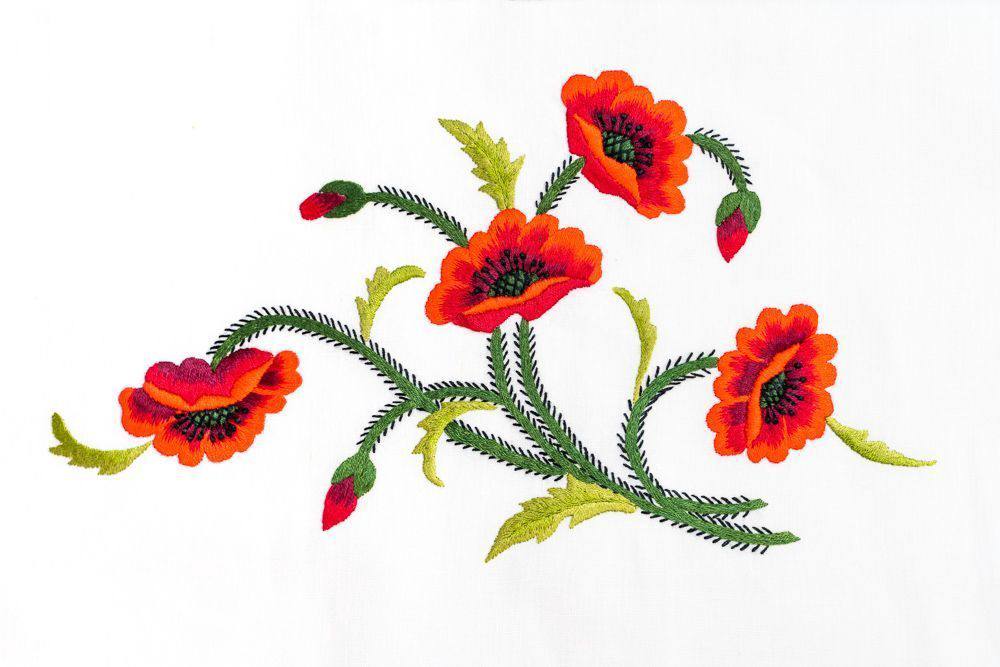
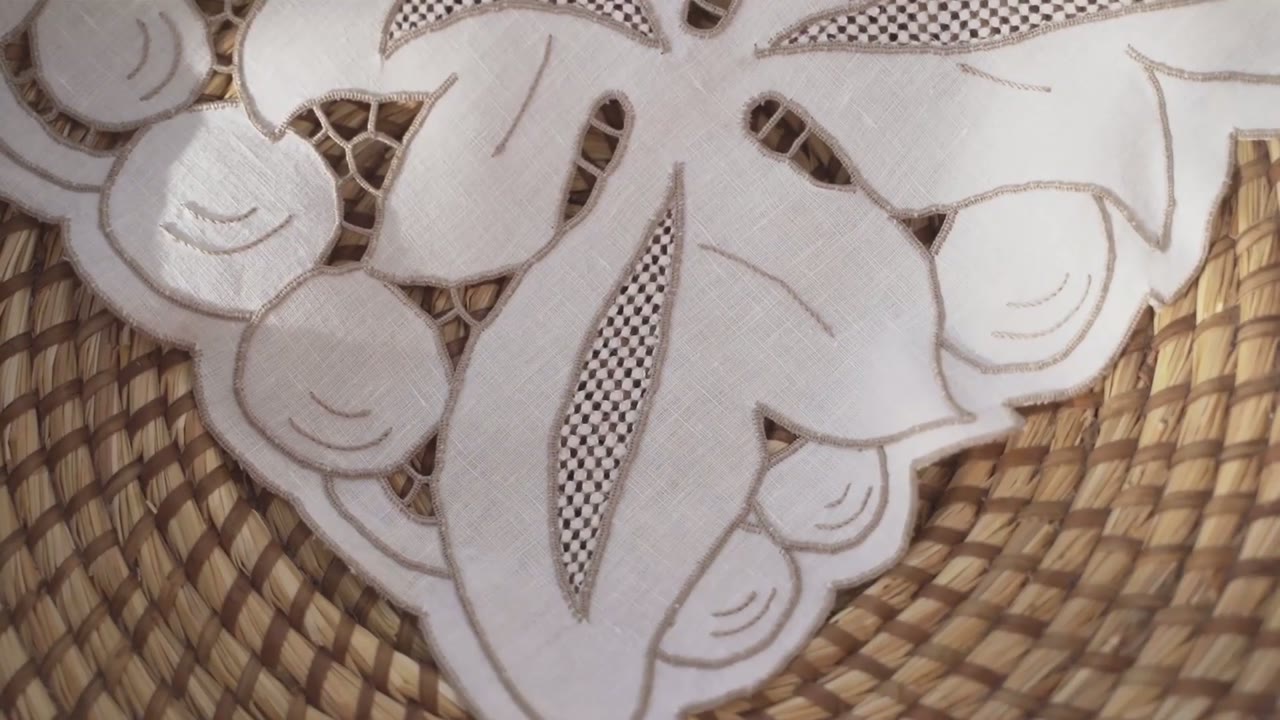
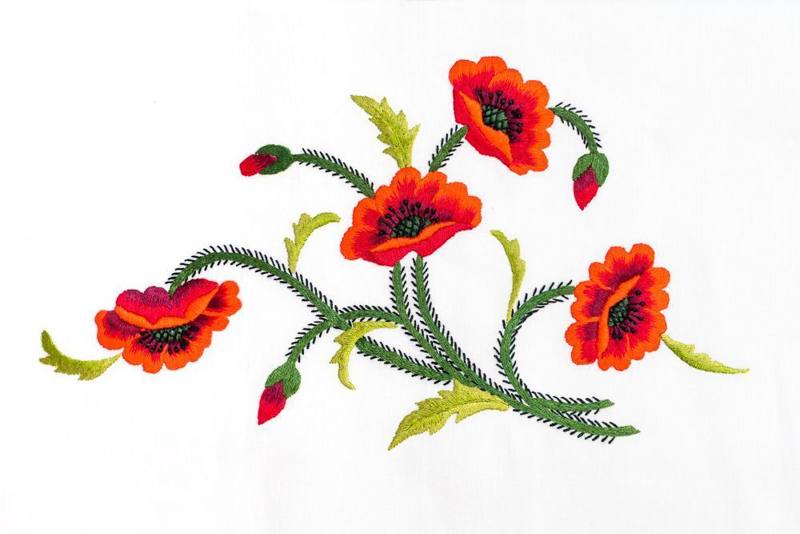
Embroidery
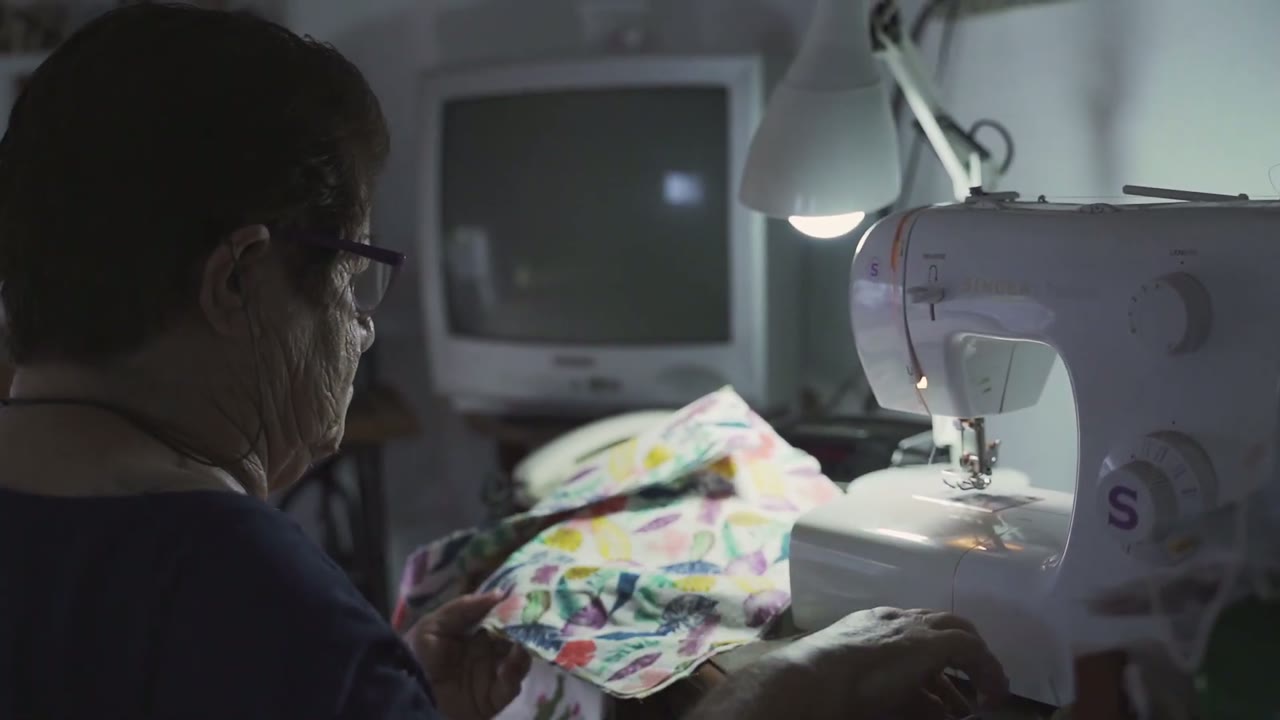
Embroidery is the most significant craft of our society: for decades it was an important help for the family, especially in the hard times of the civil war and the mass emigrations, when the long-suffering women of La Palma had to keep the household going on their own, embroidering by candlelight until late into the night. Who does not remember that popular picture of country women embroidering in the fields while their goats grazed?
Towards the middle of the 20th century almost every woman embroidered, above all table linen. There were small industries on La Palma that distributed the pieces already “sisnadas” (drawn) among the women; the “repartidoras” collected the finished work and left new pieces. Then, in the workshops, they were washed and ironed for export.
This craft, which the Portuguese probably brought to us (the custom is still kept in Madeira), has declined considerably in recent years. Even so, it remains one of the most profitable branches of the island's craftwork. Besides table linen, sets of sheets, traditional dress, blouses and more are also embroidered.
Textiles
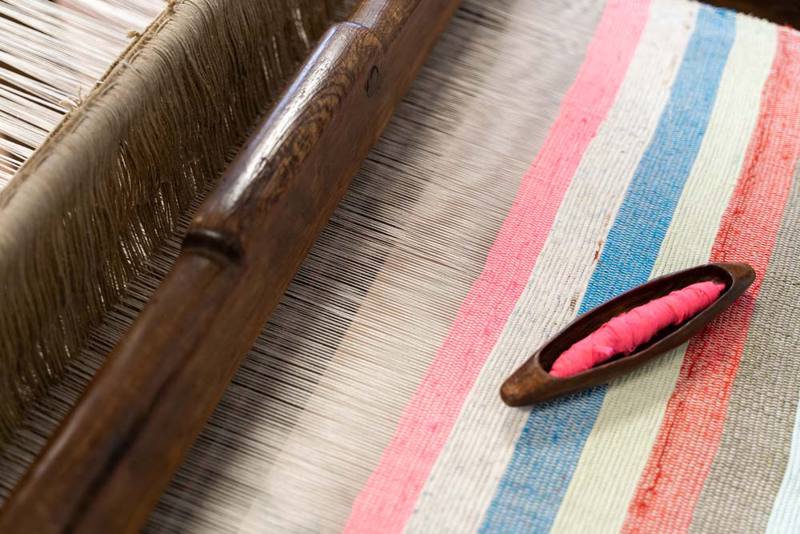
A small artisan industry that supplied households with the fibres needed for family use. The most widely used fibres were linen, wool and silk, all produced on the island and worked on looms of Portuguese origin, of which more than a hundred are still preserved.
Linen went mainly into sheets, tablecloths, towels, men's and women's shirts and petticoats. Wool was used for warm clothing and blankets, and natural silk for festive costumes, religious ornaments and delicate garments.
Palm basketry
Palm basketry is very much alive in the municipality thanks to artisans such as Margarita de Paz, president of Artesol. She makes a wide range of products from palm leaves, which she herself cuts, gathers, dries, dyes and more.
Glass jewellery
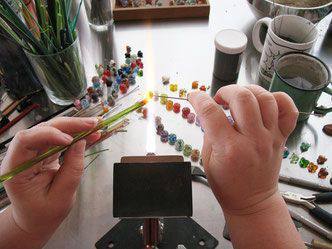
To make our products we use soft glass, usually from the Effetre factory in Murano, Venice, Italy. Bead making is probably the oldest form of lampworking. Today the tools and materials are modern, but the techniques are still essentially the same. Making a bead, however, remains an entirely handcrafted process.
The simplest way to make a lampworked bead is to wind hot glass continuously around a wire or mandrel previously coated with a release agent. The winding is smoothed in the flame and can then be shaped with a graphite or brass tool. This basic bead can be decorated with threads of glass and/or layers of glass in transparent or light colours.
Once the bead is finished it has to cool very slowly inside a kiln to prevent stress from building up in the glass. When the beads have cooled, the mandrels are removed, the holes are cleaned and the beads are ready to be used in earrings, necklaces, bracelets and more.
They are combined with sterling silver, sometimes with cultured pearls, lava stones or Swarovski crystals, but the focus is always the glass.
Artesol Centres and shops
Exhibition and sales centre for the crafts of Fuencaliente, on the main street of Los Canarios: loom-woven traperas, crochet, embroidery and palm basketry.
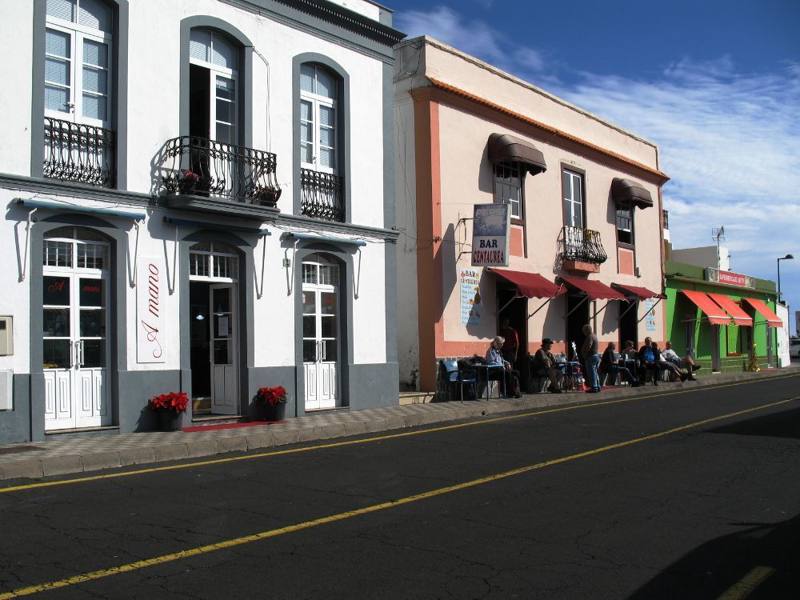
A mano La Palma Centres and shops
Craft workshop and shop in Las Indias: glass jewellery and handmade pieces by craftswomen from La Palma.
Call
Website
Centres and shops
Craftsmanship at first hand